Table of Contents
ToggleThe market for luxury one-bedroom apartments has evolved dramatically, catering to professionals, downsizers, and investors who want premium living without excess square footage. These units pack high-end finishes, smart technology, and resort-style amenities into efficient layouts, often ranging from 600 to 900 square feet. Whether considering a rental or purchase, understanding what separates true luxury from standard “upgraded” apartments saves time and money. This guide breaks down the features, design trends, and investment considerations that define upscale one-bedroom living in 2026.
Key Takeaways
- Luxury one-bedroom apartments distinguish themselves through high-end finishes, 9-12 foot ceilings, soundproofing with STC ratings of 50+, and premium location rather than square footage alone.
- Essential in-unit features include smart home integration, full-size in-unit laundry, private outdoor space (6+ feet deep balconies), and spa-style bathrooms with soaking tubs to justify the luxury premium.
- Modern luxury 1 bedroom designs prioritize flexible layouts with open-concept living, partial walls or glass partitions for zoning, and layered lighting with multiple dimmers across multiple circuits.
- One-bedroom luxury apartments offer strong rental demand and faster occupancy rates (95%+ in competitive markets), with price-per-square-foot running higher but absolute purchase prices remaining more accessible for first-time investors.
- Smart investment decisions require reviewing HOA financial statements and reserve studies, accounting for negative cash flow in high-cost markets, checking CC&Rs for short-term rental restrictions, and consulting a CPA on depreciation and tax deductions.
- Location, soundproofing quality, and genuinely useful amenities (fitness centers, concierge, co-working spaces) should drive purchasing decisions over marketing claims.
What Defines a Luxury 1 Bedroom Apartment?
Luxury isn’t just about granite countertops anymore. True high-end one-bedroom units meet specific benchmarks in finishes, construction quality, and location.
Materials and finishes set the baseline. Expect engineered hardwood or natural stone flooring, not laminate. Kitchens feature solid surface or quartz countertops with full-height backsplashes, soft-close European cabinetry, and panel-ready appliances from brands like Bosch, Miele, or Sub-Zero. Bathrooms include frameless glass showers, porcelain tile, and fixtures from Kohler, Grohe, or similar manufacturers.
Ceiling height matters more than most realize. Standard apartments sit at 8 feet: luxury units start at 9 feet and often reach 10 to 12 feet, especially in converted lofts or new construction. Higher ceilings accommodate crown molding, recessed lighting on dimmer switches, and better air circulation.
Soundproofing separates luxury from lipstick-on-a-pig upgrades. Look for concrete floor decks (not wood joist construction), insulated interior walls, and solid-core doors. STC ratings (Sound Transmission Class) should hit 50 or above between units, ask property managers for this spec.
Location premium applies. Luxury one-bedrooms cluster in walkable neighborhoods with low crime rates, proximity to transit, dining, and cultural amenities. Buildings often occupy corner lots or waterfront parcels with unobstructed views.
Square footage alone doesn’t define luxury. A well-designed 650-square-foot unit with 10-foot ceilings, custom millwork, and a private balcony outclasses a generic 850-square-foot box with builder-grade everything.
Top Amenities to Look for in Luxury 1 Bedroom Apartments
Amenities justify the rent or purchase premium, but only if residents actually use them. Prioritize features that match lifestyle needs rather than chasing an endless list.
In-Unit Premium Features
Smart home integration has become standard in new luxury builds. Expect app-controlled thermostats (Nest, Ecobee), keyless entry systems, motorized window shades, and pre-wired speakers. Some buildings offer integrated systems where lighting, climate, and security operate from a single interface.
In-unit laundry is non-negotiable at the luxury tier. Full-size, stacked, or European combo washer-dryers all work, but avoid communal laundry rooms dressed up as “European-style convenience.” Ventless heat-pump models like those from Miele or LG fit tight spaces without ductwork modifications.
Private outdoor space adds significant value. Balconies should measure at least 6 feet deep to accommodate furniture, shallow Juliet balconies don’t count. Rooftop units might include private terraces: ground-floor apartments may offer patios with dedicated planters. Check load ratings if planning to add heavy planters or furniture.
Walk-in closets or custom closet systems (California Closets, Elfa) provide storage beyond a single reach-in. Luxury units sometimes include separate walk-in pantries, coat closets, and linen storage, critical in a one-bedroom where every cubic foot counts.
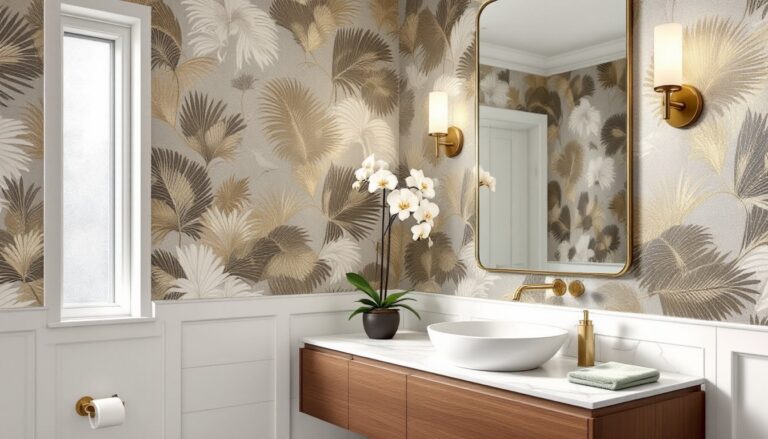
Spa-style bathrooms feature soaking tubs (60 inches minimum), rainfall showerheads, heated floors, and dedicated linen storage. Dual sinks appear less often in one-bedrooms but show up in premium units above 800 square feet.
Building-Wide Luxury Amenities
Fitness centers should rival commercial gyms: free weights, cable machines, cardio equipment with personal screens, and dedicated yoga/spin studios. 24/7 access is standard. Some properties include on-demand virtual training or scheduled classes.
Concierge and package services handle dry cleaning, grocery delivery coordination, and reservation assistance. Secure package rooms with refrigerated lockers for meal kits and perishables have become expected after 2024’s delivery boom.
Co-working spaces with private phone booths, conference rooms, and high-speed fiber (1 Gbps+) support remote work. Look for layouts designed for actual productivity, not Instagram backdrops, task lighting, ergonomic seating, and multiple monitor hookups matter.
Rooftop decks or lounges extend living space. Evaluate whether these include grills, fire pits, dining areas, and weather protection. A bare concrete roof with folding chairs isn’t a luxury amenity.
Pet amenities range from washing stations to dedicated dog runs with agility equipment. Urban properties sometimes partner with local dog-walking services or include pet concierge options.
Parking in luxury buildings typically includes one assigned space (sometimes two in suburban markets), with garage or covered options. Valet parking and EV charging stations (Level 2, 240V) are increasingly common. Properties catering to urban living preferences often provide bike storage rooms with repair stations and EV charging for e-bikes.
Design and Layout Trends in Modern Luxury 1 Bedroom Apartments
Floor plans in 2026 luxury units prioritize flexibility and intentional separation of living zones, even in compact footprints.
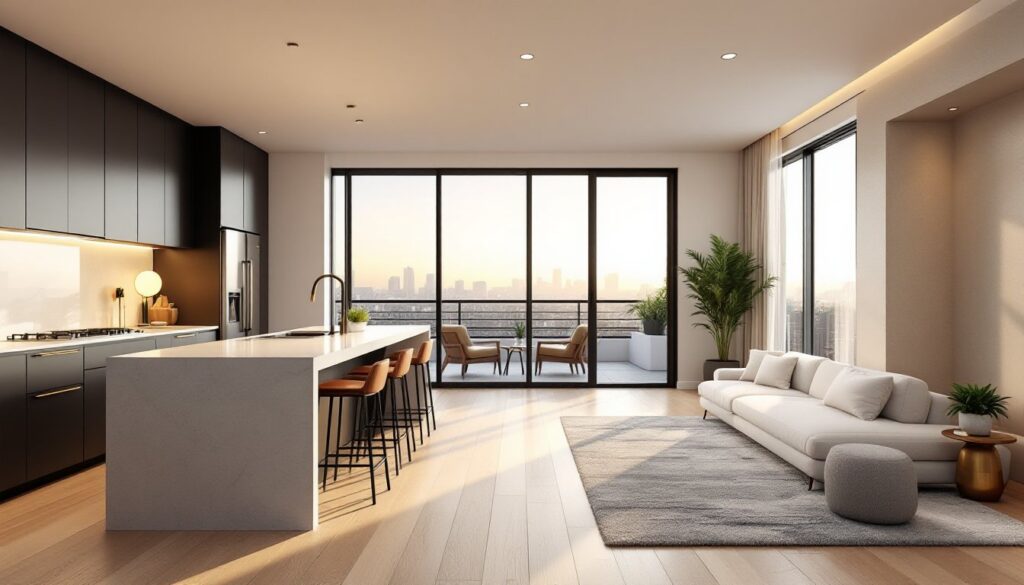
Open-concept living areas dominate, but smart luxury designs include partial walls, sliding barn doors, or glass partitions that create visual separation without closing off space. This allows residents to define a home office nook or dining area without full-wall construction.
Kitchen islands appear in units above 700 square feet, often with waterfall edges and seating for two to three. These double as workspace and casual dining, reducing the need for a separate dining table. Undermount sinks and induction cooktops (which don’t radiate heat like gas or electric coil) keep islands functional for multiple tasks.
Bedroom placement matters. The best layouts position bedrooms away from entry doors and living areas, buffered by bathrooms or closets for sound isolation. Corner bedrooms with windows on two walls maximize natural light and cross-ventilation.
Flexible spaces called “dens,” “bonus rooms,” or “flex spaces” measure 60 to 100 square feet, large enough for a home office, guest bed, or walk-in closet conversion. These technically make the unit a “1 bed + den” but provide crucial function for remote workers.
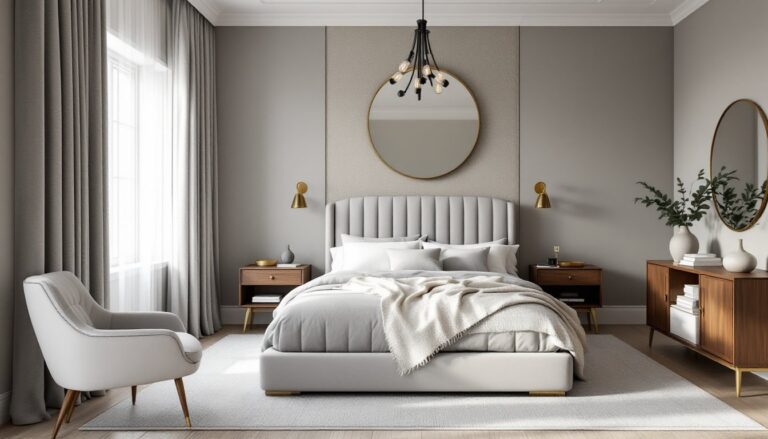
Material palettes have shifted toward warmer tones after years of gray-everything. Expect white oak or European oak flooring, warm gray or greige paint, and brass or matte black fixtures. Designers influenced by high-end interior trends incorporate textured wall treatments, fluted panels, limewash, or venetian plaster, in accent walls or behind beds.
Lighting design separates luxury from standard. Multiple circuits with dimmers, under-cabinet LED strips (2700K to 3000K color temperature), pendant fixtures over islands, and adjustable track or recessed lights in living areas provide layered illumination. Avoid units with only builder-grade overhead fixtures.
Storage innovation includes floor-to-ceiling cabinetry, built-in murphy beds in dens, and recessed medicine cabinets that don’t protrude into bathrooms. Toe-kick drawers in kitchens and bathroom vanities capture otherwise wasted space.
Investment Potential of 1 Bedroom Luxury Apartments
One-bedroom luxury units occupy a specific niche in real estate investment, with distinct advantages and limitations compared to larger properties.
Rental demand remains strong in urban cores and near universities, medical centers, or tech campuses. Tenant profiles include young professionals, relocated executives on corporate housing packages, and empty-nesters downsizing from suburban homes. Luxury one-bedrooms rent faster and sustain higher occupancy rates than standard units, often 95%+ in competitive markets.
Price per square foot runs higher than two- or three-bedroom units in the same building, but absolute purchase prices stay more accessible. This creates entry points for first-time investors. Expect $400 to $1,200+ per square foot depending on market, with coastal metros and new construction at the top end.
Appreciation potential tracks differently than single-family homes. Luxury condos appreciate with neighborhood development, building reputation, and amenity upgrades, not just land value. Units in buildings with strong HOAs that maintain reserves for capital improvements hold value better. Review HOA financial statements and reserve studies before purchasing.
Cash flow challenges emerge in high-cost markets. Monthly carrying costs, mortgage, HOA fees ($400 to $1,000+ monthly), property tax, and insurance, often exceed rental income in the first few years. Investors banking on appreciation rather than immediate cash flow need reserves for negative carry periods.
Exit strategy flexibility varies. Luxury one-bedrooms sell faster than larger units during market downturns because they attract a broader buyer pool, including owner-occupants and investors. But, they may appreciate more slowly than two-bedrooms in family-oriented neighborhoods.
Short-term rental potential exists in tourist-heavy or corporate markets, though condo associations often restrict Airbnb-style rentals. Check CC&Rs (covenants, conditions, and restrictions) and local ordinances. When permitted, luxury units command premium nightly rates.
Tax considerations include depreciation (residential rental property depreciates over 27.5 years), deductible expenses (mortgage interest, HOA fees, repairs), and potential 1031 exchange eligibility. Consult a CPA familiar with rental property taxation in your state.
For investors focused on creating a detailed moving and transition plan, timing the purchase to align with lease cycles or market softness can improve negotiation leverage and reduce vacancy risk during turnover.
Conclusion
Luxury one-bedroom apartments offer a compelling blend of upscale living and manageability, whether for personal residence or investment. Focus on construction quality, location, and amenities that genuinely improve daily life rather than just marketing bullet points. The best units balance efficient layouts with premium finishes, providing the foundation for comfortable living or strong rental performance in competitive markets.