
Table of Contents
ToggleExclusive wall decor isn’t just about filling blank space, it’s about making a statement that reflects personal taste, craftsmanship, and a commitment to quality. Unlike mass-produced prints from big-box stores, truly exclusive pieces elevate a room through rarity, artisan skill, or bespoke design. Whether it’s a hand-forged metal sculpture, a commissioned mural, or a limited-run photograph, these investments transform walls into focal points that spark conversation and anchor a room’s entire aesthetic. This guide breaks down what makes wall art exclusive, explores high-impact options for modern luxury interiors, and offers practical advice on sourcing and installing statement pieces that last.
Key Takeaways
- True exclusive wall decor is defined by limited availability, artisan craftsmanship, and customization—not mass-produced prints, but numbered pieces, handmade works, or bespoke designs created specifically for your space.
- Handcrafted options like hand-carved wood panels, textile art, and ceramic installations elevate rooms with texture and dimension, often requiring proper mounting hardware such as French cleats or Z-bar hangers to ensure safety and longevity.
- Limited-edition giclée prints on 100% cotton rag paper and UV-protective framing are the gold standard for gallery-worthy photography, with framing costs typically ranging from $300–$800 for 30″×40″ pieces.
- Custom murals and bespoke wallpaper designs transform entire walls into one-of-a-kind art by collaborating directly with artists and designers to match room dimensions, color schemes, and architectural details.
- Proper sourcing of exclusive wall decor comes from artist studios, galleries, online platforms like Artsy and Saatchi Art, and art fairs, while display techniques—including correct hanging height (57″–60″ center), appropriate lighting, and consistent spacing—ensure long-term visual and financial value.
- Always hire professionals for electrically-wired installations and verify local building codes; when mounting heavy pieces over 50 pounds, secure into wall studs with appropriate hardware and wear safety glasses to prevent injury.
What Makes Wall Decor Truly Exclusive?
Exclusivity in wall decor comes down to three factors: limited availability, artisan craftsmanship, and customization. Mass-produced canvas prints numbered in the thousands don’t qualify, even if they’re sold as “limited editions.” True exclusivity means scarcity, think numbered prints capped at 50 copies, one-of-a-kind handmade pieces, or custom commissions created specifically for a space.
Craftsmanship separates exclusive work from factory output. Hand-carved wood panels, hand-blown glass installations, and original oil paintings involve hours of skilled labor that machines can’t replicate. The materials matter, too: archival-grade pigments, sustainably harvested hardwoods, museum-quality framing, and hand-mixed plasters all contribute to longevity and visual depth.
Customization pushes exclusivity further. Bespoke wallpaper designed around a room’s exact dimensions, murals painted to match existing architectural details, or metalwork fabricated to specific color palettes ensure no one else has the same piece. These aren’t off-the-shelf purchases, they require collaboration between homeowner and maker, often involving sketches, samples, and multiple rounds of refinement.
Authenticity documentation also plays a role. Certificates of authenticity, artist signatures, edition numbers, and provenance records establish value and verify legitimacy. For investment-grade art, this paperwork is essential for insurance and resale.
Handcrafted Art Pieces That Elevate Any Room
Handcrafted wall art brings texture, dimension, and irreplaceable character to modern luxury wall decor. Hand-woven fiber art, macramé, tapestries, and textile panels, adds warmth to minimalist interiors and works particularly well in bedrooms or reading nooks. Look for pieces using natural fibers like wool, linen, or silk rather than synthetic blends. Expect to pay $200–$1,500 depending on size and complexity.
Hand-carved wood panels offer architectural weight. Artists working in walnut, cherry, or teak create relief carvings, geometric patterns, or organic forms that cast shadows and shift appearance with changing light. These pieces often require French cleats (a two-part hanging system with interlocking beveled edges) for secure mounting, especially for panels exceeding 20 pounds. Always mount into wall studs, use a stud finder and mark center points before drilling. For plaster or drywall-only mounting, use toggle bolts rated for at least twice the artwork’s weight.
Ceramic and glass installations bring color and light play. Hand-formed ceramic tiles arranged in custom patterns, or kiln-formed glass panels backlit with LEDs, create focal points above mantels or in entryways. Installation typically requires a professional, especially for backlit pieces that need electrical work. Check local codes, some jurisdictions require licensed electricians for any hardwired lighting, even decorative.
Mixed-media assemblages, combining metal, wood, resin, and found objects, suit eclectic or industrial-chic spaces. These pieces often protrude several inches from the wall, so account for clearance when placing furniture. Many homeowners find inspiration for integrating mixed-material design elements into cohesive room layouts.
Limited Edition Prints and Gallery-Worthy Photography
Limited edition prints offer exclusivity without the five-figure price tag of original paintings. The key is understanding edition size and printing technique. Giclée prints (archival inkjet prints on fine art paper or canvas) are the gold standard for photographic and digital art reproductions. Look for editions numbered out of 100 or fewer, anything beyond 250 starts losing exclusivity value.
Ask about the paper. 100% cotton rag paper (often labeled as “museum-quality” or “archival”) resists yellowing and degradation far better than wood-pulp paper. Hahnemühle, Canson, and Moab are reputable brands. For canvas prints, ensure they’re printed on cotton canvas, not polyester, and stretched over kiln-dried wooden stretcher bars, cheap pine warps over time.
Gallery-worthy photography in limited runs, landscape, architectural, or fine art portraiture, works well in contemporary and transitional homes. Large-format prints (30″ × 40″ and up) make the biggest impact but require professional framing. UV-protective glazing (either museum glass or acrylic) is non-negotiable for pieces in rooms with natural light. Standard glass offers zero UV protection and will fade prints within a few years.
Framing costs often exceed the print price. Expect $300–$800 for custom framing of a 30″ × 40″ print with archival matting and museum glass. DIY framing is possible with a miter saw and corner clamps, but cutting perfect 45-degree angles on deep gallery frames (2″–3″ profile depth) is tricky without experience. If you’re framing yourself, practice cuts on scrap molding first.
Many collectors turn to publications like Elle Decor to explore current trends in luxury photography and print curation.
Sculptural Wall Installations for Modern Luxury Homes
Three-dimensional wall sculptures define modern luxury wall decor, offering drama that flat art can’t match. Metal wall sculptures, hand-forged steel, brushed brass, or powder-coated aluminum, suit contemporary and industrial aesthetics. Pieces with clean geometric forms or organic, flowing lines work as standalone focal points above sofas, in stairwells, or on double-height entry walls.
Weight is a critical consideration. Metal sculptures can easily exceed 40–60 pounds. Z-bar hangers (also called Z-clips) distribute weight across multiple studs and are far more secure than wire and D-rings. For heavy installations (over 50 pounds), locate at least two studs and use #10 wood screws at least 2.5″ long, driven into the stud center. Never trust drywall anchors alone for anything over 20 pounds.
Modular wall systems, interlocking panels made from wood, felt, or composite materials, allow for customizable configurations. Brands like Baux and Abstracta offer acoustic panels that double as sculptural elements, particularly useful in open-plan homes where sound control matters. Installation is straightforward: most use adhesive backing or simple clip systems that don’t require studs, though heavier wooden modules still benefit from anchored mounting.
Living walls (vertical gardens with preserved moss, ferns, or succulents) bring biophilic design indoors. Preserved moss panels require no watering or light but need humidity control, avoid placement near HVAC vents. Live plant walls need irrigation systems, drainage, and grow lights, which means hiring a specialist for installation and maintenance. Expect $100–$300 per square foot installed for living systems, versus $50–$150 per square foot for preserved arrangements.
Safety note: Always wear safety glasses when drilling overhead. Metal shavings and drywall dust fall directly into your eyes without protection.
Custom Wall Murals and Bespoke Wallpaper Designs
Custom murals and bespoke wallpaper turn entire walls into exclusive art. Hand-painted murals by local artists or specialized studios offer one-of-a-kind results tailored to room dimensions, color schemes, and architectural quirks. Styles range from classical trompe-l’oeil to abstract gradients to photorealistic landscapes. Pricing runs $25–$100+ per square foot depending on complexity, artist reputation, and level of detail.
Surface prep is critical for murals. Walls must be smooth, primed, and fully cured before painting begins. Patch any cracks or holes with joint compound, sand smooth with 120-grit sandpaper, then apply a coat of high-adhesion primer (like Zinsser Bulls Eye 1-2-3 or KILZ 2). New drywall requires two coats of primer to seal the paper face and prevent uneven paint absorption. Most mural artists won’t start work until they’ve inspected and approved the wall condition, don’t skip this step or you’ll pay for delays.
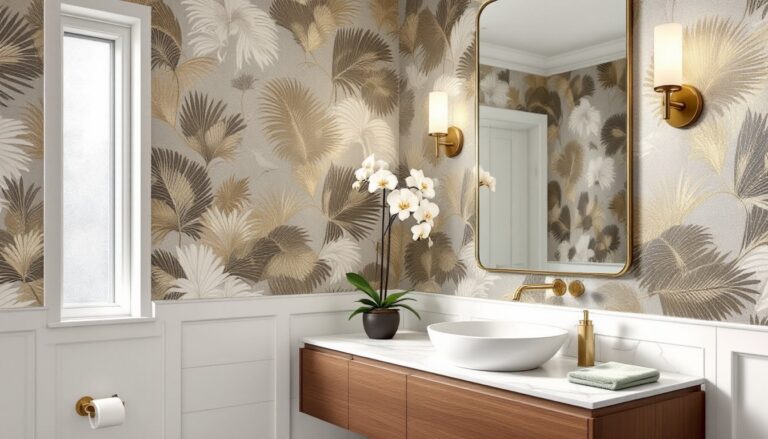
Bespoke wallpaper, custom-designed patterns printed to order, offers easier installation than murals but still delivers exclusivity. Companies like Anewall, Photowall, and Rebel Walls print designs based on uploaded artwork, photographs, or original illustrations. Material options include non-woven paper (easiest to hang and remove), vinyl (durable and washable, good for high-traffic areas), and grasscloth (natural texture but harder to clean).
Installation is a two-person job for panels wider than 24″. Use a laser level to establish a plumb vertical line, don’t trust room corners, which are rarely square. Apply paste (if required) evenly with a paint roller, book the paper (fold pasted sides together) for 5–10 minutes to let it relax, then apply from top to bottom, smoothing with a plastic smoother to eliminate air bubbles. Trim excess at baseboards and ceiling with a sharp utility knife against a metal straightedge.
For visual ideas and case studies on integrating custom wallpaper into modern living spaces, many designers reference architecture-focused publications.
How to Source and Display Exclusive Wall Decor
Finding truly exclusive pieces requires going beyond mainstream retailers. Artist studios and local galleries offer direct access to original work and often allow commissions. Many cities host open studio events where you can meet makers, see work in progress, and discuss custom projects. Prices are often negotiable, especially for newer artists building their portfolios.
Online platforms like Artsy, Saatchi Art, and 1stdibs curate limited-edition and original work with verified provenance. Filters for medium, size, price, and color make it easier to find pieces that fit specific spaces. Always request detailed photos and ask about return policies, colors and textures can look different in person than on screen.
Trade shows and art fairs, like The Armory Show, Art Basel, or regional home and design expos, connect buyers with galleries, artisans, and designers. Bring room measurements, paint swatches, and photos of existing furniture to make informed decisions on-site. Many exhibitors offer show discounts or payment plans for higher-ticket items.
Display considerations matter as much as the art itself. Lighting is critical: use adjustable picture lights or track lighting with 3000K warm white LEDs to avoid the harsh, bluish cast of daylight-temperature bulbs. Position lights at a 30-degree angle to minimize glare on glazed surfaces.
Hanging height follows the gallery standard: center the artwork at 57″–60″ from the floor, which aligns with average eye level. For pieces above furniture, leave 6″–12″ of clearance between the furniture top and the artwork’s lower edge. Use a tape measure and painter’s tape to mock up placement before putting holes in the wall.
Grouping multiple pieces (gallery walls) works best with a unifying element, consistent frame style, mat color, or subject matter. Lay out the arrangement on the floor first, measure the overall dimensions, then mark the wall perimeter with painter’s tape. Start by hanging the center piece, then work outward. Keep spacing consistent, 2″–3″ between frames is standard.
Conclusion
Exclusive wall decor transforms houses into curated homes by prioritizing artisan craftsmanship, limited availability, and personalized design over mass-market convenience. Whether investing in handcrafted sculptures, commissioning a custom mural, or selecting numbered-edition photography, these pieces anchor rooms with authenticity and visual impact. Proper sourcing, installation, and display techniques ensure that exclusive art remains a long-term investment, both aesthetically and financially, rather than a fleeting trend.