

As the football landscape continues to evolve, numerous factors are shaping the game we know and love today. From flashy transfers and rising star players to tactical innovations and technological advancements, the buzz around football is relentless. This article delves into the latest happenings and trends within the football category, providing insights into how they impact teams, tactics, and fan experiences around the globe.
Current Trends in Football
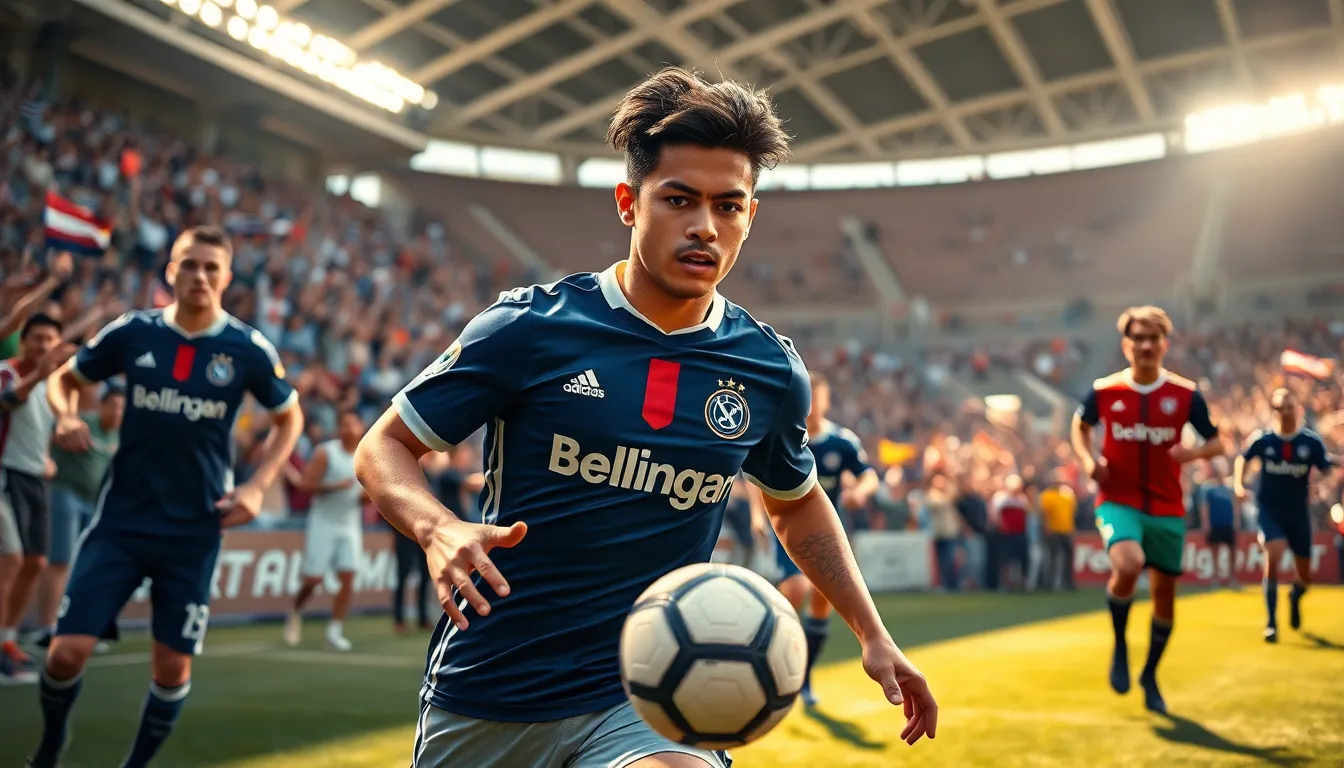
Impact of Recent Transfers on Team Dynamics
The recent summer transfer window was notable not just for the sheer volume of money spent, but also for the profile of players changing clubs. High-profile transfers can shift the equilibrium within a team, creating both opportunities and challenges. For instance, a star forward joining a team can invigorate the squad but may also lead to dissatisfaction among existing players who see their roles diminished. Also, teams must adapt their playing styles to integrate new talents effectively, which can take time and patience.
Coaches are finding that managing these dynamics is as essential as tactical training. The most successful teams often have leaders, players who can welcome newcomers and help them acclimate to new environments. Clubs like Manchester City and Paris Saint-Germain have demonstrated this by not just recruiting talent but fostering an ecosystem that supports collaboration and integration.
Emerging Player Profiles to Watch
Every season unveils new young talents that create much excitement among fans and analysts alike. Players such as Jude Bellingham and Pedri have taken the spotlight, showcasing immense talent in their teen years. These emerging stars are not only redefining expectations but are also reshaping the landscapes of their respective clubs. Bellingham’s transition from Birmingham to Borussia Dortmund provided him the platform to flourish, while Pedri dazzled at Barcelona, becoming a pivotal figure in their midfield.
Players like these are influencing scouting strategies worldwide, emphasizing clubs’ commitments to youth development programs. Clubs are heavily investing in academies to discover the next generation of football luminaries who can impact top-tier teams immediately.
Tactical Innovations in Modern Football
Changes in Coaching Strategies
Football tactics are evolving rapidly, influenced by both analytics and the progressive ideas of modern coaching. The traditional formations are being challenged as coaches incorporate more fluid and dynamic approaches. For example, the transition from a rigid 4-4-2 to more complex formations like the 4-3-3 or even a 3-5-2 allows for variations that create unpredictability.
Modern coaches, such as Pep Guardiola and Jürgen Klopp, are not only focused on player skills but also emphasize spatial awareness and adaptability. Their teams often demonstrate a fluid interchange of positions that complicates opposition defenses while keeping their own structures intact, leading to a more entertaining and strategic form of football.
The focus on pressing is also evident, as teams chase possession aggressively, often leading to counter-pressing opportunities that can result in quick breaks. This shift in approach is demanding more versatile players who can transition between attacking and defensive roles seamlessly.
Use of Technology and Analytics
Injury Management and Player Health
In recent years, clubs have turned to technology for insights into player performance and health, particularly in injury management. Wearable technology provides coaching staff with invaluable data on player workloads, speeds, and recovery times. This data-driven approach not only aids in preventing injuries but also optimizes training regimens tailored to individual player needs.
For instance, GPS tracking devices assist in monitoring real-time movement: this allows coaching staff to adjust training intensity accordingly. It’s no longer just about fitness: it’s about smart fitness, ensuring players are neither over-trained nor underprepared.
Fan Engagement and Social Media Influence
Social media has transformed how clubs interact with their fans and how news spreads. Platforms like Twitter, Instagram, and TikTok have enabled clubs to provide real-time updates, behind-the-scenes content, and direct engagement with fans. This dynamic interaction builds community and loyalty, extending beyond match days into daily engagements.
Also, clubs employing augmented and virtual reality technologies are creating immersive experiences that enhance fan engagement. From interactive match analyses to virtual stadium tours, technology bridges the gap between fans and the game, allowing for deeper connections. The evolution of this engagement is reflective of a broader trend in sport, where clubs recognize the importance of narrative and storytelling alongside traditional sports broadcasting.
Global Impact of Major Tournaments
Future of Women’s Football
Women’s football has gained significant traction over the last decade, and major tournaments like the FIFA Women’s World Cup have played a pivotal role in this growth. The increasing viewership and sponsorship deals reflect a paradigm shift in how women’s sports are perceived. Clubs are now investing in women’s teams as passionately as their men’s counterparts, leading to heightened visibility and competitive standards.
This investment is fostering not just local leagues but also global competitions that inspire young girls worldwide. The U.S. Women’s National Team might have set the benchmark, but international powerhouses like England, France, and Germany are closing the gap, creating a thrilling future for women’s football.
Sustainability in Football Practices
Sustainability is becoming a pressing concern across all sectors, and football is no exception. Clubs are increasingly adopting eco-friendly practices and integrating them into their operations. From stadium design that prioritizes renewable energy to grassroot initiatives that advocate for reduced carbon footprints, the sport is entering a new era that considers its environmental responsibility.
Major tournaments are now focusing on reducing waste and ensuring a sustainable legacy. Initiatives such as recycling programs and community outreach actions help raise awareness among fans and players alike about environmental issues. This growing commitment suggests a paradigm shift, where sustainability isn’t just good practice, it’s becoming essential for the future of the game.
Conclusion
To conclude, the football category is undergoing remarkable changes driven by recent transfers, tactical innovations, and an increased focus on technology. With emerging players redefining expectations, evolving coaching strategies enhancing gameplay, and a stronger global presence of women’s football, the sport is positioned for a bright future. As technology continues to influence fan engagement and health management, the game will adapt to meet the demands of modern audiences. The buzz surrounding football is not merely fleeting: it’s a testament to the sport’s enduring evolution and its deepening connection to global cultures.