
Rhythmic gymnastics is an exquisite combination of dance, acrobatics, and artistry, captivating audiences around the globe. As the sport continues to evolve, so does the buzz surrounding its latest developments, trends, and standout athletes. This article delves into the world of rhythmic gymnastics, offering insights into its core elements, recent highlights, and what the future may hold for this enchanting discipline.
Overview of Rhythmic Gymnastics
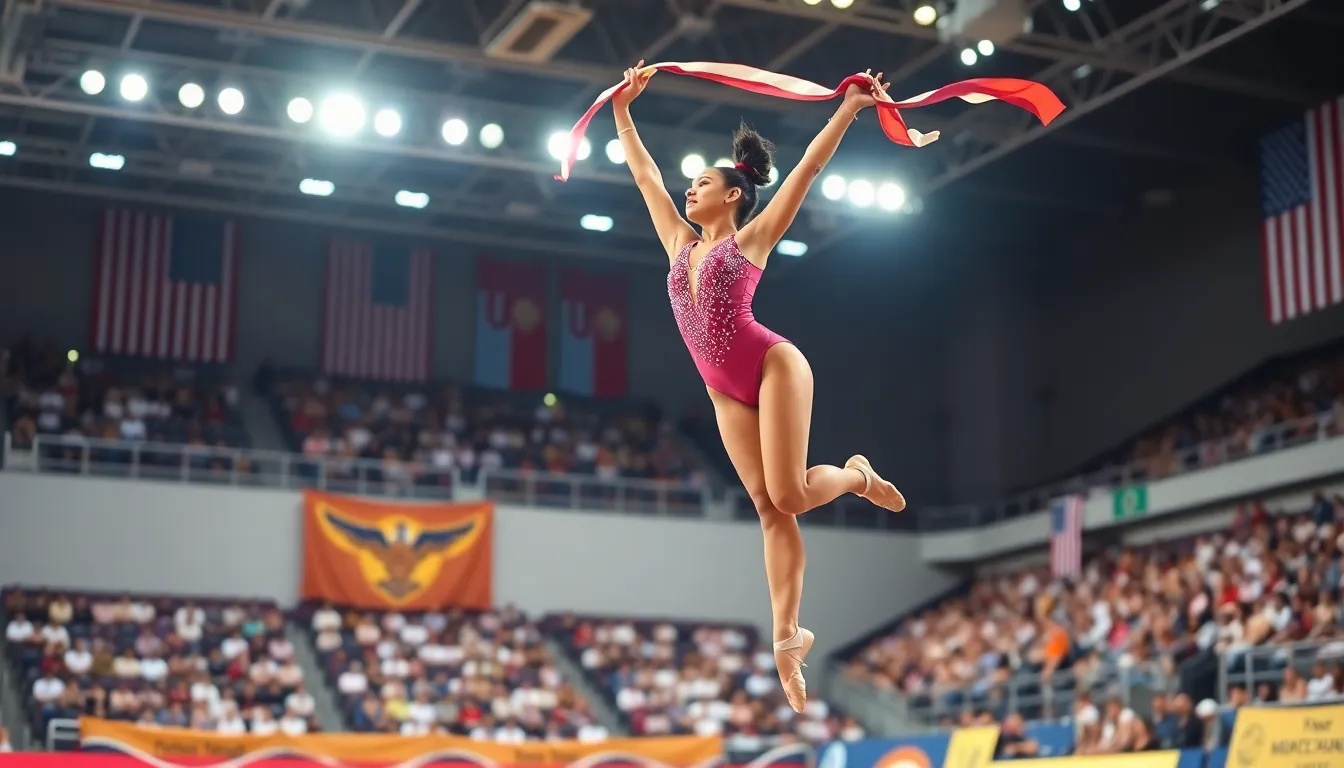
Rhythmic gymnastics is a unique sport that combines elements of ballet, gymnastics, dance, and apparatus manipulation. Originating in the early 20th century, it gained prominence in the 1980s when it became an Olympic sport. It’s characterized by its emphasis on graceful movements and precision, performed typically by women, though there is a growing interest in men’s participation. Athletes perform routines using various apparatus, including ribbons, hoops, balls, clubs, and ropes, set to music. The sport’s aesthetic appeal is matched by the athleticism required, demanding not only physical strength and flexibility but also coordination and creativity.
Key Elements of Rhythmic Gymnastics
The beauty of rhythmic gymnastics lies in its intricate choreography and the ability to convey emotion through movement. The key elements of the sport include:
- Apparatus Handling: Mastery of the chosen apparatus (ribbon, hoop, ball, clubs, rope) is essential, requiring both dexterity and creativity.
- Choreography: Routines are meticulously choreographed, blending fluid movements with the rhythm of the music, thereby telling a story or expressing a theme.
- Artistic Expression: Athletes must embody their routines with expressive movements, demonstrating not just technical skills but also artistry.
- Physical Skills: This includes flexibility, balance, strength, and coordination, as each routine embodies a range of complex movements that can challenge even the most seasoned gymnasts.
Recent Developments in Rhythmic Gymnastics
In recent months, rhythmic gymnastics has seen significant developments, particularly in terms of technological advancements and inclusivity. Athletes are increasingly using technology for training purposes, incorporating video analysis and wearable devices to enhance performance. This data-driven approach allows for greater precision in training regimens.
Also, the sport is embracing inclusivity, with movements toward gender equality and opportunities for male athletes. This shift aims to broaden the sport’s appeal and increase participation at all levels.
Notable Athletes to Watch
Several athletes have emerged as standout performers in rhythmic gymnastics, captivating audiences with their exceptional skills and charisma:
- Arina and Dina Averina: The twin sisters from Russia are currently among the top-ranking rhythmic gymnasts in the world, celebrated for their flawless routines and artistic expressions.
- Linoy Ashram: This Israeli gymnast made headlines at the Tokyo 2020 Olympics by winning a historic gold medal, showcasing extraordinary talent and resilience.
- Sofia Raffaeli: Hailing from Italy, Raffaeli is a rising star in the sport, known for her innovative choreography and technical prowess as she makes her mark in international competitions.
Upcoming Competitions and Events
As the rhythmic gymnastics season heats up, several key competitions are on the horizon, including the World Rhythmic Gymnastics Championships and various national leagues. These events are crucial for athletes to showcase their skills and earn points toward qualifying for future Olympic Games.
Fans are particularly excited about the upcoming number of international meets scheduled throughout the year, culminating in high-stakes competitions where the best athletes will vie for top honors.
Future Trends in Rhythmic Gymnastics
Looking ahead, rhythmic gymnastics is poised for growth, particularly as it explores new trends in style and training methodologies. The integration of technology will continue to play a pivotal role, as training becomes more data-driven and focused on enhancing performance.
Also, there’s an increased emphasis on mental health and well-being for athletes, aligning with global trends in sports. Organizations are now prioritizing not only the physical training but also the psychological aspects of performance, helping athletes manage stress and maintain balance, a must in a demanding sport like rhythmic gymnastics.
Conclusion
Rhythmic gymnastics is a sport that embodies grace, talent, and dedication, continually capturing the interest of fans worldwide. With its notable athletes pushing the boundaries of artistry and performance, combined with groundbreaking developments in technology and inclusivity, the future of rhythmic gymnastics looks bright. As enthusiasts anticipate the upcoming competitions and the emergence of new talents, the sport is sure to remain a vibrant and dynamic part of the athletic landscape.