
Table of Contents
ToggleA luxury bathroom set isn’t about slapping on gold fixtures and calling it elegant. It’s about creating a cohesive space where every accessory, soap dispenser, towel bar, tissue holder, works together to deliver both function and refined style. Whether you’re renovating a master bath or upgrading a powder room, the right set elevates daily routines from mundane to indulgent. This guide walks through what separates premium bathroom accessories from big-box options, which materials deliver the best longevity, and how to install and maintain pieces that’ll still look sharp a decade from now.
Key Takeaways
- True luxury bathroom sets balance material quality, finish consistency, and functional design—solid brass or stainless steel with concealed mounting systems outperform budget alternatives that chip and jam within months.
- Choose premium materials wisely: natural stone accessories offer one-of-a-kind beauty but require sealing, while brushed gold and matte black finishes with PVD coatings hide water spots and fingerprints better than polished chrome.
- Match your luxury bathroom set’s finish to existing faucets and showerhead hardware to create visual cohesion; buying all pieces from the same manufacturer prevents mismatched tones across soap dishes, towel bars, and tissue holders.
- Proper installation on solid studs or with appropriate wall anchors, combined with level measurement and silicone caulking, ensures your accessories stay secure and prevent water intrusion behind mounting plates.
- Maintain luxury finishes with pH-neutral cleaners and microfiber cloths weekly, avoid acidic or abrasive products, and address hard water staining immediately to preserve the refined appearance you invested in.
What Makes a Bathroom Set Truly Luxurious?
A luxury bathroom set distinguishes itself through three core attributes: material quality, finish consistency, and thoughtful design that balances aesthetics with everyday usability.
Material integrity comes first. High-end sets use solid brass, stainless steel, natural stone, or premium resin, not zinc alloy with a thin plating that chips after six months of humidity exposure. Heft matters. Pick up a towel bar from a luxury line and compare it to a budget version: the weight difference tells you everything about the metal gauge and construction beneath the finish.
Finish uniformity across every piece in the set is non-negotiable. When a soap dish, towel ring, robe hook, and toilet paper holder all share the exact same brushed nickel tone or matte black texture, it creates visual cohesion that cheaper collections can’t match. Luxury manufacturers control their electroplating and powder-coating processes tightly, so the finish on piece one matches piece twelve, even if you buy them months apart.
Functional design separates showpieces from workhorses. Luxury doesn’t mean fragile. A well-designed towel bar mounts with concealed screws into solid blocking, not surface-mount plastic anchors. Soap dispensers feature ceramic or glass pumps with metal springs, not plastic mechanisms that jam after 200 uses. Toilet paper holders should allow one-handed roll replacement without fumbling. If an accessory looks stunning but frustrates you twice a week, it’s not luxurious, it’s just expensive.
Premium Materials That Define High-End Bathroom Sets
The materials in luxury bathroom sets determine both their lifespan and their ability to handle the bathroom’s unique environment: high humidity, temperature swings, and frequent cleaning with sometimes-aggressive products.
Natural Stone and Marble Accessories
Natural stone accessories, soap dishes, countertop trays, toothbrush holders carved from Carrara marble, travertine, or quartzite, bring the spa aesthetic home with genuine geological character. No two pieces share identical veining, which gives your bathroom a one-of-a-kind quality that molded resin can’t replicate.
Stone requires some care knowledge upfront. Marble is porous and will etch if acidic products (think citrus-based cleaners or certain soaps) sit on the surface. Seal marble accessories with a penetrating stone sealer rated for wet environments every 12–18 months. Travertine is slightly more forgiving but still benefits from sealing. Quartzite is denser and more stain-resistant, making it a solid pick for high-use bathrooms.
Weight is a practical concern. A marble soap dish can weigh 3–5 pounds, so countertop placement needs to account for that. These aren’t pieces you casually knock around while cleaning. And if you’re wall-mounting a stone shelf, confirm your fasteners hit studs or use toggle bolts rated for the load, drywall anchors won’t cut it.
Brushed Gold and Matte Black Finishes
Brushed gold (sometimes labeled champagne bronze, brushed brass, or warm gold) and matte black finishes dominate the luxury bathroom market right now, and for good reason: they hide water spots and fingerprints far better than polished chrome.
Brushed gold isn’t a single finish. It ranges from rose gold undertones to deeper antique brass hues. When assembling a set, buy all pieces from the same manufacturer and finish line to avoid mismatched tones. What one brand calls “brushed brass” might read significantly warmer or cooler than another’s version. If you’re mixing manufacturers, request finish samples first.
Matte black typically uses a PVD (Physical Vapor Deposition) coating on solid brass or stainless steel for scratch and corrosion resistance. Cheaper matte black finishes use powder coating, which can chip at mounting points or edges. Check product specs, PVD costs more but lasts significantly longer in wet environments. Many designers recommend matte black for modern or industrial schemes, especially when paired with white subway tile or concrete-look porcelain.
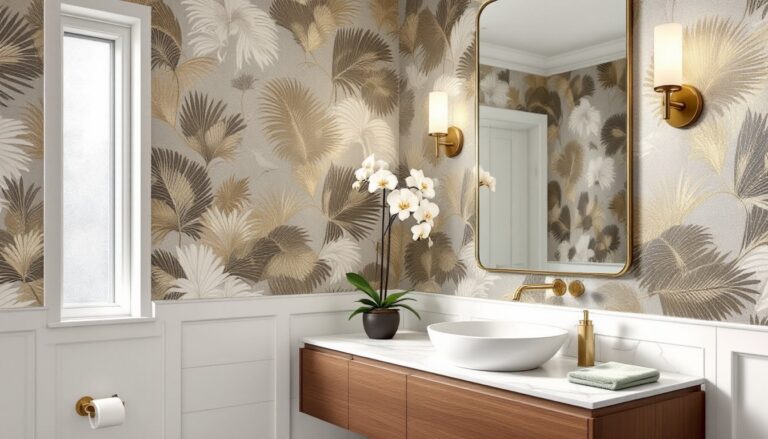
Both finishes pair well with specific aesthetics. Brushed gold complements warm-toned marble, walnut vanities, and soft grays. For inspiration on how bespoke walnut vanities integrate with luxury fixtures, professional designers often showcase material pairings that balance warmth and sophistication. Matte black works with cooler palettes, concrete, and stark white fixtures for high contrast.
How to Choose the Perfect Luxury Bathroom Set for Your Home
Choosing the right luxury bathroom set comes down to matching material durability to usage patterns, coordinating finishes with existing fixtures, and understanding what’s included versus what you’ll need to source separately.
Start with your faucet and showerhead finish. Your bathroom set should match or intentionally contrast with these anchors. If you’ve installed a polished chrome faucet, switching to brushed gold accessories creates visual confusion unless you’re deliberately doing a mixed-metal scheme (which works but requires a confident design eye). Consistency across your bath and shower hardware, vanity pulls, and accessories creates the pulled-together look that defines luxury spaces.
Piece count and configuration vary widely. Some sets include just the basics: towel bar, towel ring, toilet paper holder, and robe hook. Comprehensive sets add a double towel bar, hand towel holder, tissue box cover, soap dish, tumbler, and countertop tray. List what you actually need before buying. An 8-piece set sounds appealing, but if three pieces won’t fit your layout, you’re overspending.
Consider mounting requirements early. Surface-mount accessories install with visible screws and work on any wall surface, including tile, drywall, or even fiberglass surrounds. Concealed-mount or semi-recessed pieces require access to wall studs or blocking and sometimes need rough-in work during renovation. If you’re retrofitting a finished bathroom, surface-mount is usually the practical choice unless you’re willing to open walls.
Bathroom size and layout influence style decisions. In a compact powder room (typically 20–30 square feet), oversized towel bars or bulky countertop accessories overwhelm the space. Slimline profiles and wall-mounted options preserve floor and counter area. In a spacious master bath (80+ square feet), substantial pieces with visual weight prevent accessories from looking insignificant against large vanities and expansive tile work.
For broader interior design coordination, many homeowners find that bathroom accessories serve as finishing details that tie together flooring, cabinetry, and lighting choices, creating a complete design narrative.
Warranty and return policies matter with luxury purchases. Reputable manufacturers back solid brass and stainless steel accessories with 5–10 year warranties covering finish defects and mechanical failures. Keep receipts and register products. If a finish starts showing premature wear at year three, a good warranty makes replacement straightforward.
Installing and Maintaining Your Luxury Bathroom Accessories
Proper installation and routine care protect your investment and keep luxury bathroom accessories looking showroom-fresh for years.
Installation prep begins with confirming wall structure. For towel bars and grab bars (especially if you’re adding ADA-compliant support), locate studs with a stud finder or use blocking installed between studs during construction or renovation. Standard drywall anchors work for lightweight items (under 5 pounds), but anything supporting towel weight needs fastening into solid wood or metal studs. Toggle bolts work for hollow walls but require larger pilot holes, check that decorative flanges or cover plates will hide them.
When installing on tile or stone, use a carbide or diamond-tipped bit at low speed with light pressure to prevent cracking. Mark your holes with painter’s tape to keep the bit from walking. Drill at a 90-degree angle and pause every few seconds to let the bit cool. For natural stone tile, especially marble or slate, consult a pro if you’re uncomfortable drilling, one crack ruins an expensive tile and potentially the waterproofing membrane behind it.
Leveling matters more than many DIYers realize. A towel bar that’s 1/4 inch off level looks sloppy and causes towels to slide toward one end. Use a 24-inch level (or a laser level for long bars) and mark both mounting points before drilling. Measure from a fixed reference point, the vanity top or tile grout line, not the ceiling or floor, which may not be level.
For surface-mount accessories, apply a small bead of silicone caulk around screw holes after installation to prevent water intrusion behind the mounting plate. This is especially important in shower or tub surrounds where water can wick behind fixtures and compromise drywall or backer board.
Routine maintenance keeps finishes pristine. For brushed gold, matte black, and other PVD finishes, clean weekly with a microfiber cloth dampened with plain water or a pH-neutral cleaner. Avoid abrasive scrubbers, bleach, ammonia, or acidic cleaners (vinegar, lemon-based products), which can dull or discolor protective coatings. Dry fixtures after cleaning to prevent mineral buildup from hard water.
Natural stone accessories need different care. Wipe marble or travertine with a damp cloth and mild dish soap, then dry immediately. Reapply penetrating stone sealer annually if the piece sees daily soap and water exposure. If etching occurs (dull spots from acidic contact), a marble polishing powder can restore the surface, but prevention through proper sealing and immediate cleanup is easier.
For those seeking comprehensive visual inspiration and practical examples of how luxury bathroom elements come together, browsing curated home design galleries offers real-world installations across various styles and budgets.
Hard water staining is the enemy of luxury finishes. If you live in an area with high mineral content in the water, consider installing a water softener or at minimum, squeegee shower walls and wipe down fixtures after use. White calcium deposits on matte black or brushed gold destroy the refined look you paid for. For existing buildup, a 50/50 distilled white vinegar and water solution (applied briefly and rinsed immediately) can dissolve deposits without harming most finishes, but test in an inconspicuous spot first.
Conclusion
Luxury bathroom sets deliver lasting value when you choose materials suited to your bathroom’s demands, match finishes to your overall design, and install them properly. Solid brass, natural stone, and quality PVD finishes outlast cheaper alternatives by years, making the upfront investment worthwhile for homeowners committed to a polished, cohesive space. With proper care, regular cleaning, appropriate sealers, and mindful use, these accessories maintain their appearance and function well beyond typical renovation cycles.